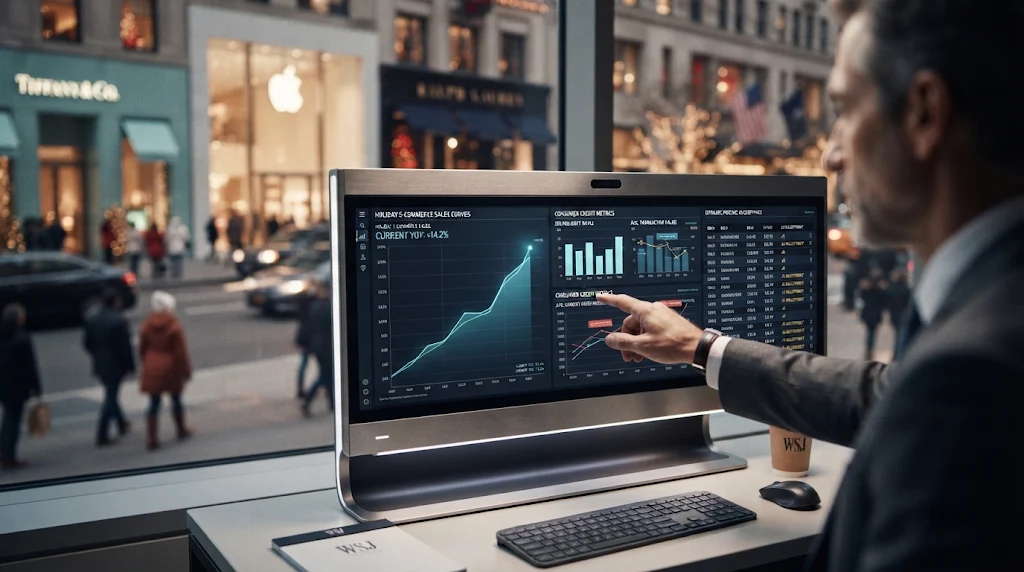
As the 2026 US holiday shopping season kicks off on Black Friday, major American retailers are navigating a complex structural squeeze. Caught between elevated logistics costs, lingering tariff adjustments, and inflation-weary consumers, retail executives have increasingly turned to algorithmic dynamic pricing and embedded consumer credit to defend fourth-quarter operating margins.
AI Dynamic Pricing and Margin Defense in US Retail
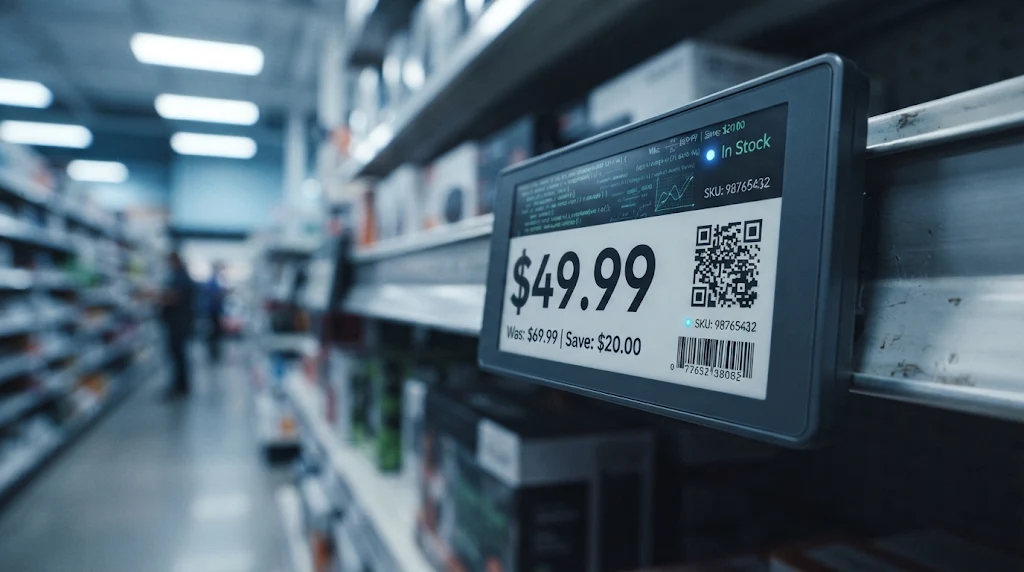
Traditional seasonal discounting has largely been replaced by real-time algorithmic pricing engines. Major US big-box chains and e-commerce platforms now adjust prices multiple times per day based on localized inventory levels, competitor stockouts, and real-time demand elasticity.
While these AI models allow retailers to capture maximum margin on high-demand electronics and apparel without resorting to blanket markdowns, they operate under growing federal oversight. As outlined in our 2026 US AI Regulatory Tracker, the Federal Trade Commission (FTC) has intensified investigations into algorithmic price-fixing and surveillance pricing, forcing retail legal teams to set strict guardrails around automated price adjustments.
2026 US Holiday Retail & Consumer Credit Benchmarks
Data from the fourth quarter of 2026 highlights a bifurcated consumer landscape: overall nominal spending continues to edge higher, but a growing share of holiday volume is financed through short-term installment debt rather than cash or traditional debit.
| Economic Metric (Q4 2026) | 2026 Benchmark | YoY Change vs. 2025 | Primary Market Driver |
| E-Commerce Share of Holiday Sales | 24.8% | +1.6% | Mobile checkout integration and AI-curated product feeds. |
| Buy Now, Pay Later (BNPL) Volume | $21.4 Billion | +14.2% | Budget-constrained Gen Z and Millennial shoppers splitting purchases. |
| Dynamic Pricing Adoption (Top 100 Retailers) | 68% | +19.0% | Automated margin protection against supply chain cost volatility. |
| Average Retail Gross Margin (Q4 Est.) | 31.2% | -0.8% | Higher promotional customer acquisition costs and return rates. |
The PR Backlash Risk of Algorithmic Price Discrimination
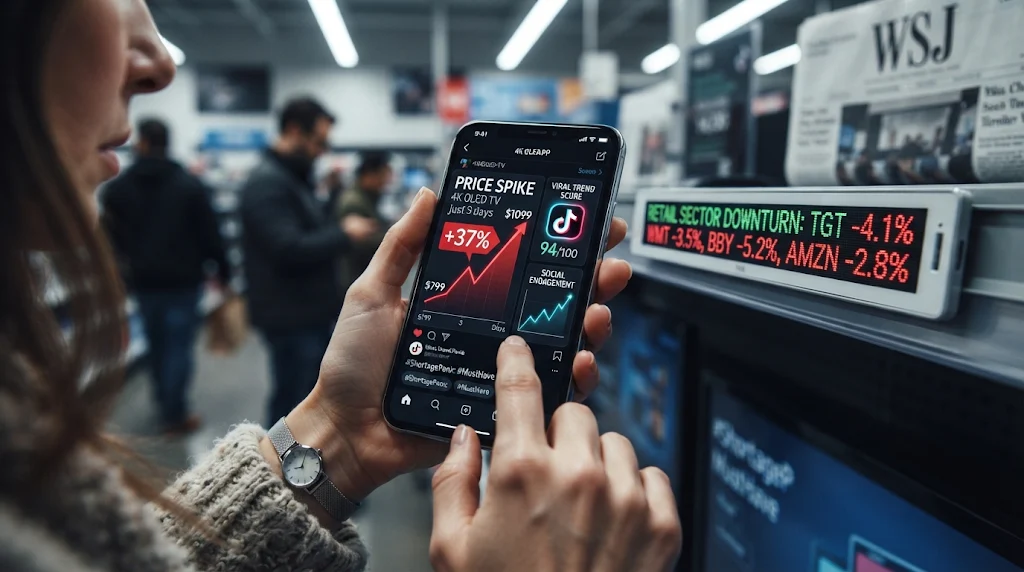
Beyond federal regulators, the biggest threat to retail dynamic pricing in 2026 is consumer backlash. Viral social media posts exposing real-time price hikes on identical items across different zip codes or user devices have repeatedly triggered coordinated boycotts.
For publicly traded retail chains, a viral pricing scandal rapidly escalates from a customer service issue into an investor relations emergency. As examined in our 2026 corporate PR crisis stock impact analysis, algorithmic sentiment trading models react instantaneously to consumer boycott trends, often wiping out billions in market capitalization before executives can clarify their pricing policies.
Frequently Asked Questions (FAQ)
What is AI dynamic pricing in retail?
AI dynamic pricing is the use of machine learning algorithms to continuously adjust product prices in real time based on market demand, competitor pricing, inventory supply, and broader economic signals.
Why is Buy Now, Pay Later (BNPL) growing during the 2026 holiday season?
With traditional credit card APRs remaining elevated above 20%, US consumers increasingly use zero-interest, four-installment BNPL services to manage cash flow during peak holiday spending periods.
Is algorithmic pricing legal in the United States?
Dynamic pricing based on supply and demand is legal in the US, provided companies do not collude with competitors through shared pricing algorithms or engage in deceptive practices prohibited by the FTC.